Roof Repair Costs UK: Leaks, Slipped Tiles and Repointing
Typical prices for common repairs, when repair beats replacement, and the £150 call-out reality behind cheap quotes.
In this guide
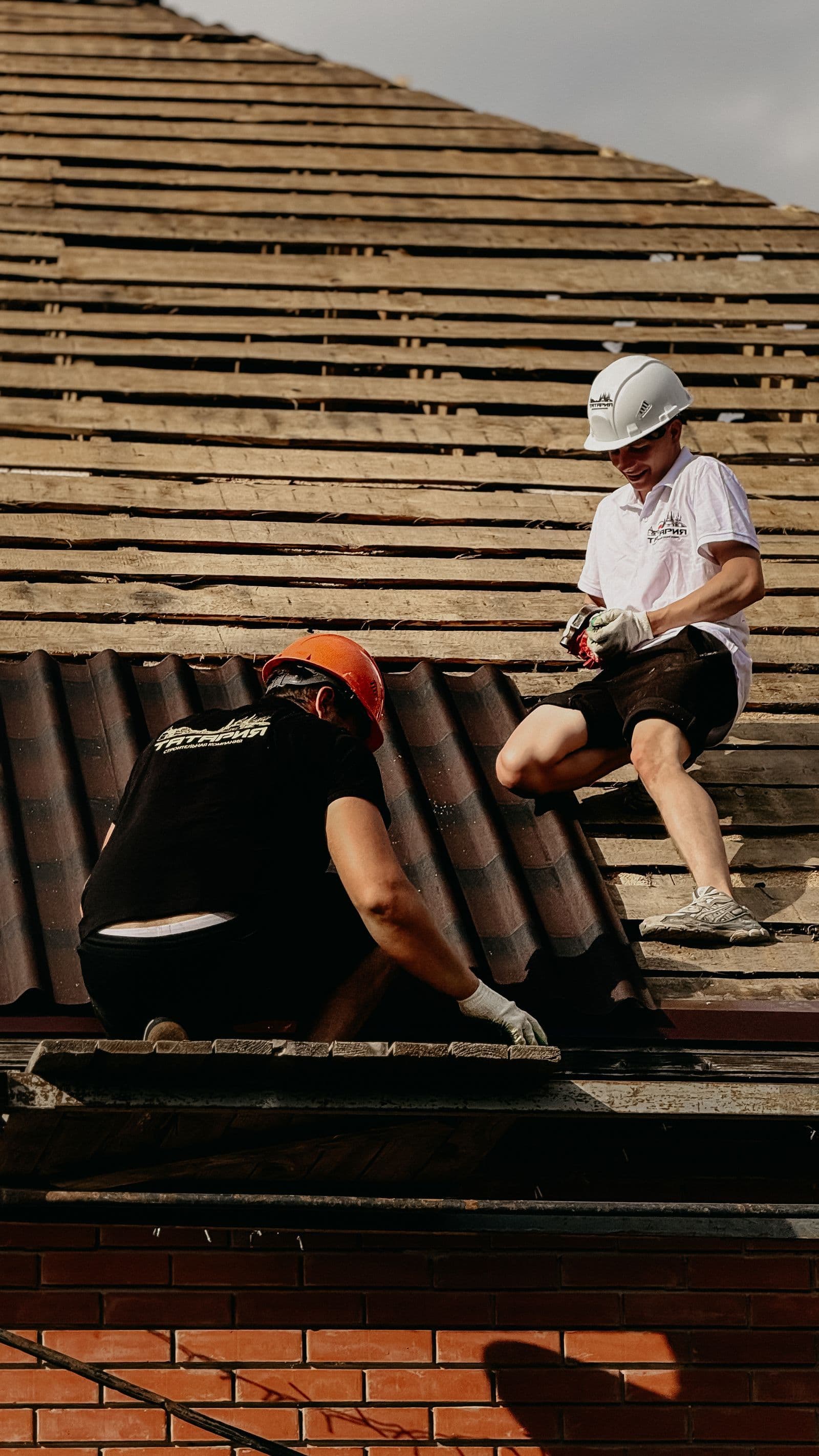
Most UK roof repairs cost £150 – £800, with a minimum call-out charge of £120 – £250 that typically covers the first hour on site. Small jobs cluster at the low end; anything needing scaffold, leadwork or a chimney pushes toward £1,000+.
Repair pricing works differently to re-roof pricing: the fixed costs — getting a roofer to you, ladders or a tower, diagnosing the fault — dominate on small jobs, which is why 'just refix one tile' still lands at £150+. The table below reflects what our roof repair cost guide and calculator use.
Common repair prices (2026)
- Slipped or broken tiles, up to ~10 — £150 – £350 refitted or replaced
- Repoint ridge tiles or verge mortar — £250 – £600, more for full dry-fix conversion
- Lead flashing repair or replacement — £300 – £900 depending on length and access
- Flat roof leak patch — £150 – £450 for a localised repair; a membrane overlay costs more
- Chimney repoint and re-flaunch — £500 – £900 on a standard stack
- Valley or gutter clearing and resealing — £120 – £300
- Emergency call-out / temporary weathering — £150 – £400, often refundable against the proper repair
Why the call-out charge exists
A £120 – £250 call-out covers travel, the diagnostic time and the first hour of work. Roofers cannot profitably drive an hour to refix a £15 tile for tile money — the charge is honest. What to watch instead are 'free inspection' offers that turn into pressure selling for a full re-roof a 30-year-old roof does not yet need.
Diagnosing where the leak actually is
Water travels. The stain on your ceiling may sit metres from the entry point — it runs along felt, battens and rafters before dripping. Flashings around chimneys and abutments cause the majority of leaks, followed by slipped tiles, failed valleys and porous underfelt at the eaves. A competent roofer inspects the loft first: daylight, water tracks and staining on timbers usually pinpoint the source faster than guessing from ground level.
When repair stops making sense
One repair on a sound roof is always worth it. The calculation changes when faults multiply: if slipped tiles keep appearing in different areas, the mortar is failing roof-wide or the underfelt has perished, you are paying £300 – £600 repeatedly to delay the inevitable. The rule of thumb — once cumulative repairs approach a third of the replacement cost, put the money toward a re-roof with a fresh membrane and a guarantee instead.
Age matters too. Concrete tiles at 40+ years and original felt underlays of any age are on borrowed time; repairing them buys months, not years. Slate and clay at similar ages still have decades left, so repair remains the right call far longer — another reason the covering choice matters at replacement time.
Access on repair quotes
Many small repairs are priced assuming ladder or tower access. Work above gutter level on a two-storey house genuinely benefits from a tower (£150 – £400 hire) or a scaffold bay (£400 – £900). Roofers quoting suspiciously low often plan to stretch off ladders — unsafe, and it can invalidate their public liability insurance if anything goes wrong. HSE work at height rules apply to repair jobs too.
Getting a fair repair quote
- Describe the symptom and ask for the diagnosed cause in writing — not just 'roof repair'
- Agree whether the price is fixed or 'call-out plus hourly' before work starts
- Ask what happens if the fault turns out bigger — a capped 'investigate further' price prevents open-ended bills
- For anything over ~£600, get a second quote — it quickly pays for itself
Related guides

How Much Does a New Roof Cost in the UK? (2026 Planning Guide)
A dated cost breakdown, clear replacement scope and practical steps to build a roofing budget from measurements, allowances, quotes and contingency.
Roofer Day Rates UK: Labour, Gang Rates and Scope
What roofers actually charge per day in 2026, what a gang day buys, and why a day rate alone is not a complete quote for a re-roof.
Concrete vs Clay vs Slate: Roof Covering Prices and Scope Explained
Compare covering prices per square metre without mixing supply-only and installed figures. Includes lifespan, weight and quote checklists.